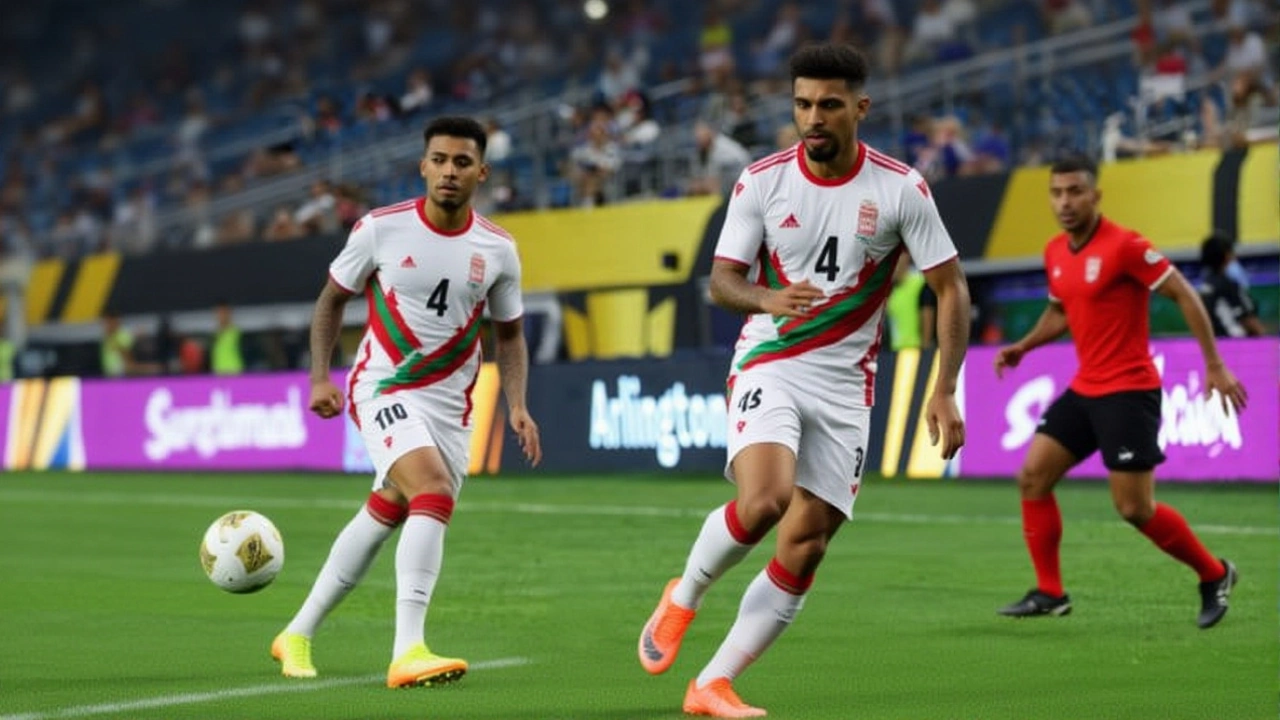
When Suriname needed a miracle, it came not from a star striker or a last-minute volley—but from a panicked header by a Guatemalan defender into his own net. On November 19, 2025, Estadio Manuel Felipe Carrera in Guatemala City, the weight of a nation’s World Cup dreams rested on one desperate cross—and one catastrophic mistake. Nicolás Samayoa, a defender who had spent the match holding firm against Suriname’s relentless attack, accidentally sent the ball past his own goalkeeper in the 93rd minute, turning a 3-0 defeat into a 3-1 loss that, against all odds, kept Suriname’s dream alive.
The Stakes Were Unimaginable
Suriname entered that final matchday with a +3 goal difference lead over Panama in Group A of the 2026 FIFA World Cup Qualifying - CONCACAF Third Round. They had played five games: two wins, three draws, zero losses. Nine points. A goal difference of +5. All they needed was one goal in Guatemala City to win the group outright—and secure their first-ever direct qualification to a World Cup. For a nation of just 600,000 people, with no professional league and players scattered across Europe’s lower divisions, this was history on the brink.A Match of Contrasts: Control vs. Chaos
The first half was a masterclass in defensive discipline. Suriname, coached by Luis Fernando Tenna, came out swinging—pressing high, moving the ball with urgency, and forcing Guatemala’s goalkeeper Nicholas Hagen into three sharp saves. But Guatemala’s backline, led by Nicolás Samayoa, held. No goals. No panic. Just silence. Then came the 49th minute. Óscar Santis raced down the left flank, cut inside, and delivered a curling cross. Darwin Lom, Guatemala’s talismanic forward, rose unmarked and powered a header past Etienne Vassen. The stadium erupted. Suriname’s players froze. The dream was slipping away. By the 57th minute, Olger Escobar doubled the lead with a crisp finish after a quick counter. Then, in the 65th, Santis rounded Vassen and slotted home. 3-0. The clock was ticking. Suriname’s bench was silent. Fans in the stands held their breath. The team had done everything right—except score.The Own Goal That Changed Everything
With four minutes of stoppage time added, Suriname threw everything forward. Sheradio Becker, their veteran midfielder, floated a cross into the box. It wasn’t a shot. It wasn’t a set piece. It was a Hail Mary. Nicolás Samayoa lunged. He didn’t mean to score. He meant to clear. But the ball bounced off his forehead, curved like a falling leaf, and slipped past the despairing dive of Hagen. The stadium fell silent. The Suriname bench exploded. Players collapsed to their knees. The scoreboard read: 3-1. It wasn’t a win. But it was enough.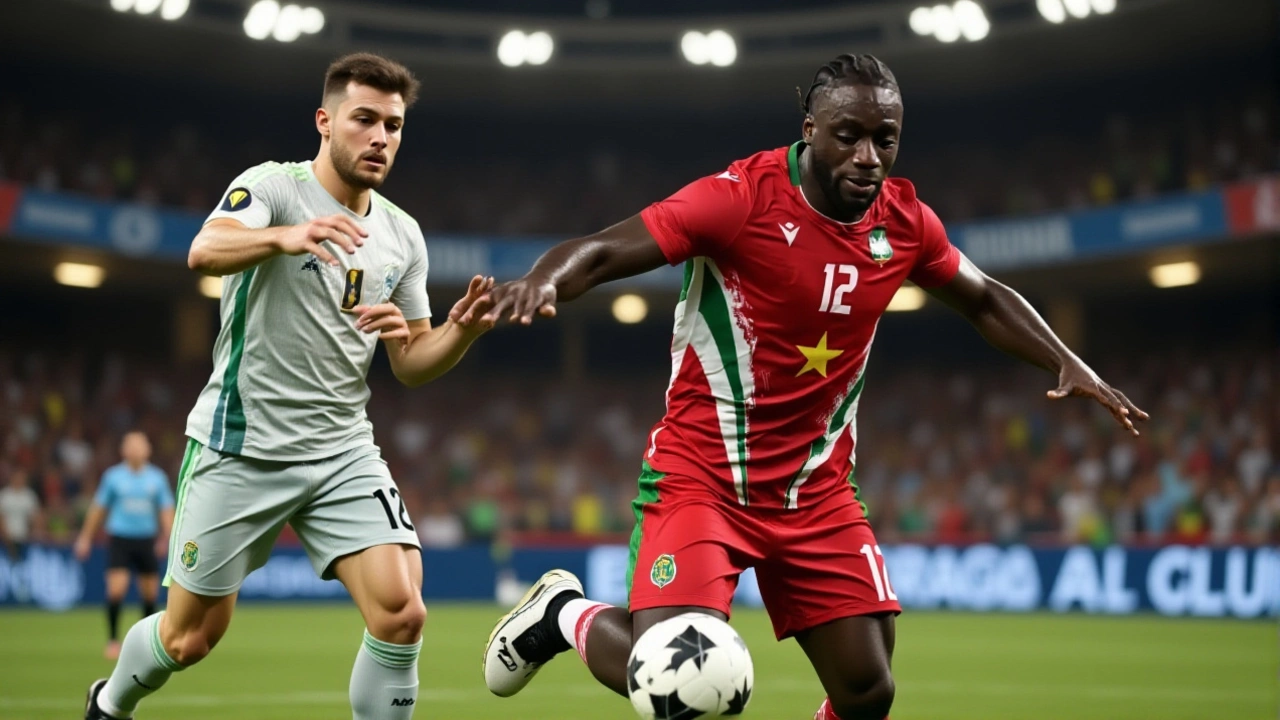
Why It Mattered More Than the Score
Suriname didn’t win the group. Panama did, by goal difference—+5 to +2. But here’s the twist: only the group winner qualifies directly. The runner-up? They get a second chance. The intercontinental playoffs. That own goal didn’t change the standings. But it changed the outcome. Had Guatemala won 3-0, Suriname would have finished with 9 points and a +5 goal difference—but still second. The same as now. But with a 3-1 loss, Suriname’s goal difference remained +5. With a 3-0 loss? It would’ve been +4. And Panama would’ve overtaken them. One goal. One header. One mistake. That’s all. The irony? Guatemala’s victory was a triumph of tactics, discipline, and execution. But it was also a cruel spoiler. Their win didn’t send them to the World Cup. It sent Suriname to Mexico for the playoff against a team from Asia or Africa. And that’s the beauty—and brutality—of qualification.What This Means for the Future
Suriname’s journey to this point has been nothing short of miraculous. They’ve never qualified for a World Cup. Not once. Their last major tournament appearance? The 1985 Caribbean Cup. This team, mostly made up of Dutch-based players with Surinamese heritage, defied expectations. Virgil Misidjan, who scored the equalizer in the October 10 draw, is 34. Sheradio Becker, who delivered the cross, is 32. This might be their last shot. For Guatemala, the win was bittersweet. They finished third in the group with 5 points. Their World Cup dreams ended. But they spoiled the party of a team that had come so close. In CONCACAF, there are no moral victories. Only results.Behind the Scenes: The Human Cost of Qualification
While Suriname celebrated, Haiti’s story loomed in the background. With gangs controlling 85% of Port-au-Prince, they haven’t hosted a home match in four years. Their entire campaign was played on foreign soil. Suriname’s players know this. They’ve seen the footage. They’ve read the reports. This isn’t just about football. It’s about dignity. About representation. About proving that a small nation, with no stadium that meets FIFA standards, can still dream.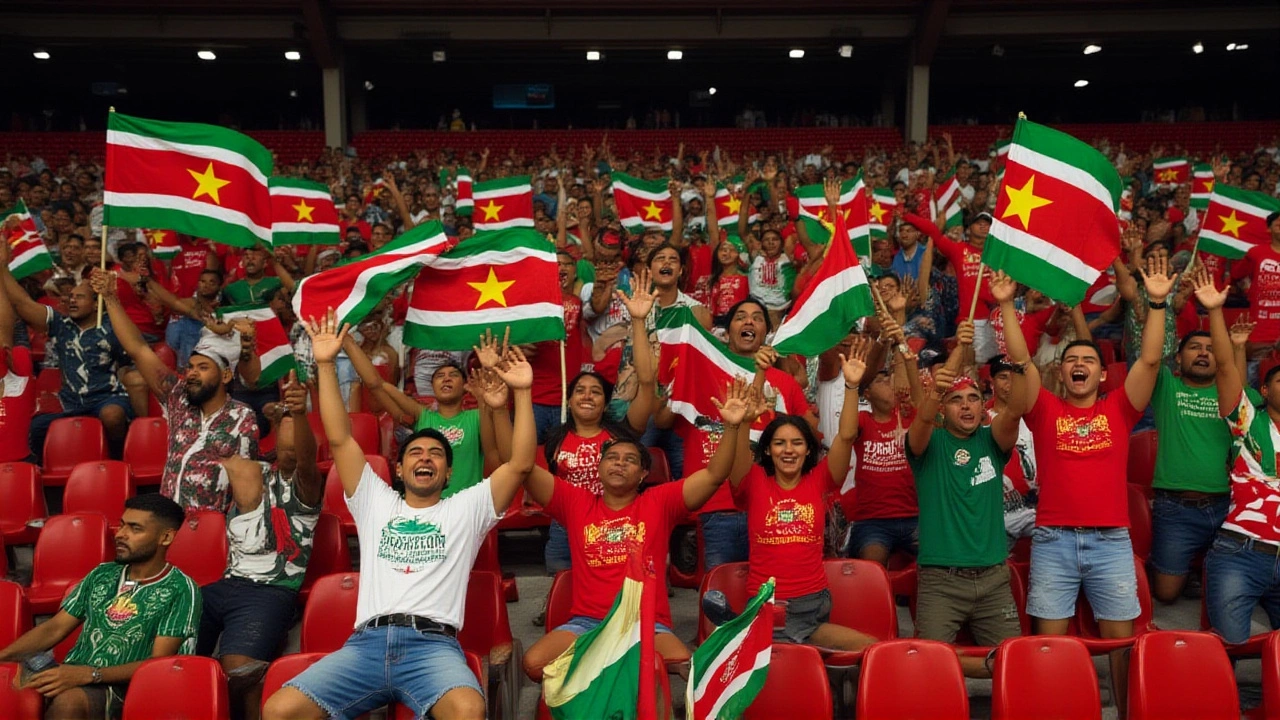
What’s Next?
Suriname will now face the fourth-placed team from Asia or Africa in a two-legged playoff in March 2026. The winner earns a spot in the 2026 World Cup. The loser? Back to the drawing board. For Suriname, it’s not about winning. It’s about being there. That alone is historic.Final Group A Standings (After Matchday 6)
- Suriname: 6 matches, 2 wins, 3 draws, 1 loss, 9 points, +5 GD
- Panama: 6 matches, 2 wins, 3 draws, 1 loss, 9 points, +2 GD
- Guatemala: 6 matches, 1 win, 2 draws, 3 losses, 5 points, -1 GD
- El Salvador: 6 matches, 1 win, 0 draws, 5 losses, 3 points, -6 GD
Frequently Asked Questions
How did Suriname qualify for the intercontinental playoffs despite losing 3-1?
Suriname finished second in Group A with 9 points and a +5 goal difference, same as Panama, but with a superior goal difference (+5 vs. +2). The runner-up in each CONCACAF group advances to the intercontinental playoffs. Even with a 3-1 loss, Suriname’s goal difference remained unchanged from their previous matches, preserving their position. A 3-0 loss would have dropped them to +4, allowing Panama to overtake them.
Who scored the own goal and why was it so critical?
Guatemalan defender Nicolás Samayoa headed the ball into his own net in the 93rd minute. It was critical because it kept Suriname’s goal difference at +5. Had Guatemala won 3-0, Suriname’s goal difference would have dropped to +4, costing them second place and the playoff spot. The own goal was the only thing that preserved their position.
Why didn’t Suriname qualify directly even with 9 points?
Only the group winner qualifies directly to the World Cup. Suriname and Panama both had 9 points, but Panama had a worse goal difference (+2 vs. +5). Suriname won the group on goal difference and should have qualified directly—but they didn’t. That’s because CONCACAF’s format awards direct qualification only to the top team, regardless of points. Suriname’s loss meant they finished second, triggering the playoff path.
What’s the significance of Suriname reaching the intercontinental playoffs?
It’s historic. Suriname has never qualified for a World Cup. Even reaching the playoffs is unprecedented. Their squad is mostly players from the Dutch lower leagues, with no professional domestic league. This run has united the diaspora, inspired youth programs, and put a tiny Caribbean nation on the global football map. A win in the playoff could mean their first-ever World Cup appearance.
How did the October 10 draw set the stage for the November 19 match?
The 1-1 draw in Suriname gave them a crucial point and kept them atop the group. Virgil Misidjan’s 94th-minute equalizer was a psychological boost, proving they could score under pressure. That result forced Guatemala to win in their own stadium to stay alive—and meant Suriname only needed a draw or even a narrow loss to stay in second. The October match was the calm before the storm.
What role did the goalkeeper Nicholas Hagen play in the match?
Nicholas Hagen was Guatemala’s unsung hero. He made five crucial saves in the first half, including two one-on-one stops against Suriname’s top scorers. His composure under pressure allowed Guatemala to sit back and counter. Without him, Suriname might have scored early and changed the entire dynamic. He kept the scoreline manageable until the late goals.

Write a comment